
Navigating the world of healthcare can sometimes be confusing, with various options and services available to cater to different health needs. Two common healthcare settings that people often encounter are urgent care centers and primary care practices. Understanding the differences between urgent care and primary care is essential in making informed decisions regarding your healthcare needs and ensuring you receive the appropriate care when required. As a locally owned outpatient medical facility in Santa Fe and Espanola, NM, we are proud to offer state-of-the-art primary care and urgent care services designed to address a wide range of health care needs.
At the core of the distinction between urgent care and primary care is the nature of the medical issues being addressed and the type of service required. Urgent care is intended for non-life-threatening medical situations that demand immediate attention, while primary care focuses on providing ongoing care for patients, addressing long-term health management, and coordinating specialized care. Understanding the key differences can help you make accurate assessments of your health needs and direct you to the most appropriate form of care when needed.
As experienced healthcare providers, we are dedicated to providing high-quality urgent care and primary care services to address your diverse health needs. Our commitment to education and guiding patients through their healthcare journey is reflected in our comprehensive approach to care. So, let’s delve into the crucial topic of understanding the difference between urgent care and primary care, and how to make informed decisions based on your unique health needs.
What Is Primary Care?
1. Long-term Health Management
Over time, primary care has focused on providing comprehensive health care services to individuals. These services encompass ongoing care for patients, addressing their long-term health management, and coordinating specialized care as needed. Primary care providers typically have a thorough understanding of their patient’s health history, which allows them to monitor and manage their overall health more effectively.
2. Routine Care
Primary care involves providing routine care to ensure the maintenance of good health. Services offered in primary care settings include general check-ups, vaccinations, screenings, and health education. Primary care providers play a vital role in helping patients maintain their overall well-being.
3. Patient-Provider Relationship
A strong patient-provider relationship is essential in primary care. Primary care providers work closely with their patients, getting to know them and understanding their individual health needs to provide personalized care. This relationship fosters trust and open communication, which is key to successful health outcomes.
What Is Urgent Care?
1. Non-life-threatening Medical Issues
Urgent care is designed to provide medical attention for non-life-threatening issues that require immediate attention. For example, if you have a minor injury, infection, or illness that isn’t severe enough to warrant a trip to the emergency room but still requires prompt care, an urgent care center is the ideal choice.
2. Walk-in Appointments and Extended Hours
Urgent care centers cater to the need for immediate care by offering walk-in appointments and extended hours, often including evenings and weekends. This flexibility is invaluable for those who require assistance when their primary care provider is unavailable or outside of regular office hours.
3. Convenient and Efficient Care
Urgent care centers are designed to provide quick and efficient care to patients with pressing medical issues. Due to their walk-in nature and wide range of services, urgent care centers can diagnose and treat a variety of conditions in a timely manner, allowing patients to get the care they need and return to their daily activities.
How to Decide between Urgent Care and Primary Care
1. Assess the Nature of Your Health Issue
When you’re faced with a health concern, the first step in determining whether to seek urgent care or primary care is to assess the nature and severity of the issue. If you’re experiencing a non-life-threatening issue that requires immediate attention, urgent care is the appropriate choice. On the other hand, if your concern is not urgent and can be addressed during regular office hours, you should consult your primary care provider.
2. Consider the Time of Day and Availability
The time of day and your primary care provider’s availability can influence your decision between urgent care and primary care. If your health issue arises outside of your primary care provider’s office hours and it’s something that requires prompt attention, seeking urgent care is the most suitable option.
3. Reflect on Your Health History
If you’re dealing with a health issue that is complex or connected to ongoing health concerns, you should consult your primary care provider, who has a comprehensive understanding of your health history. However, if the issue is straightforward and unrelated to chronic health concerns, urgent care centers can provide care without the need for a long-term patient-provider relationship.
Conclusion
Understanding the differences between urgent care and primary care is crucial in making informed decisions about your healthcare needs. By assessing the nature of your health issue, considering the time of day and availability of care, and reflecting on your health history, you can determine which option is best suited for your unique health situation.
Trust Aspen Medical Center’s dedicated team to guide you through your healthcare journey and provide you with the most appropriate and effective care to meet your individual needs. We are a locally owned outpatient medical facility in Santa Fe and Espanola, NM, offering state-of-the-art primary care and urgent care services. Visit us for urgent care in Santa Fe, NM, today.
Related Content
-

Halloween Safety Tips for Santa Fe Families
Halloween brings costumes, candy, and crowded sidewalks across Santa Fe. This guide gives you practical safety tips for trick or treating, costume choices, and candy checks so your family stays protected. You will also learn when a minor bump needs urgent…
-

Fall Allergy Symptoms and Treatment Options in Santa Fe
Fall allergies bring sneezing, congestion, itchy eyes, and coughing that can last for weeks. This post explains what causes fall allergy symptoms, how to find relief fast, and when to see a provider at Aspen Medical Center in Santa Fe and…
-

Common Back-to-School Illnesses and Acute Care Santa Fe NM
Back-to-school season brings crowded classrooms, shared supplies, and a steady spread of germs. This post explains the most common illnesses children catch when school starts, how to recognize the warning signs, and when to seek acute care in Santa Fe, NM.…
-
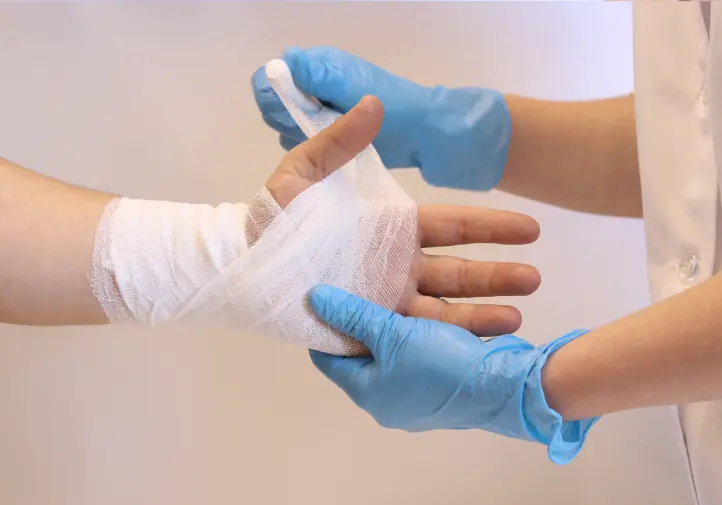
Telling the Difference Between A Sprain or Fracture
You twist your ankle on a trail near El Dorado or land wrong during a weekend soccer game in Santa Fe. The pain sets in, the swelling starts, and one question runs through your mind: is it a sprain or a…
-

UTI Treatment & Prevention Tips For Santa Fe Resident
UTIs are one of the most common infections treated in urgent care settings, and they are also one of the most misunderstood. This article covers what causes UTIs, how to get relief fast, proven prevention strategies, and when to see a…
-

How Often Should I Get An STD Or STI Test?
Sexual health plays a major role in your overall well being. Many sexually transmitted diseases and infections do not show symptoms right away. Some people never notice symptoms at all. Regular testing helps you protect your health and the health of…
-

Urgent Care Awareness Month: What It Means For You
What Is Urgent Care Awareness Month? Urgent Care Awareness Month is a yearly event led by the Urgent Care Association. It runs through the month of May. Aspen Medical Center is a proud member of the Urgent Care Association, joining clinics nationwide in raising awareness about the role urgent care…
-

How Often Should I See My Primary Care Doctor?
If you’ve ever wondered how often should I see my primary care doctor?, you’re not alone. Many people only visit a doctor when something feels wrong, but preventive care plays a major role in maintaining long term health. The truth is, the ideal schedule depends on your age, medical history,…
-
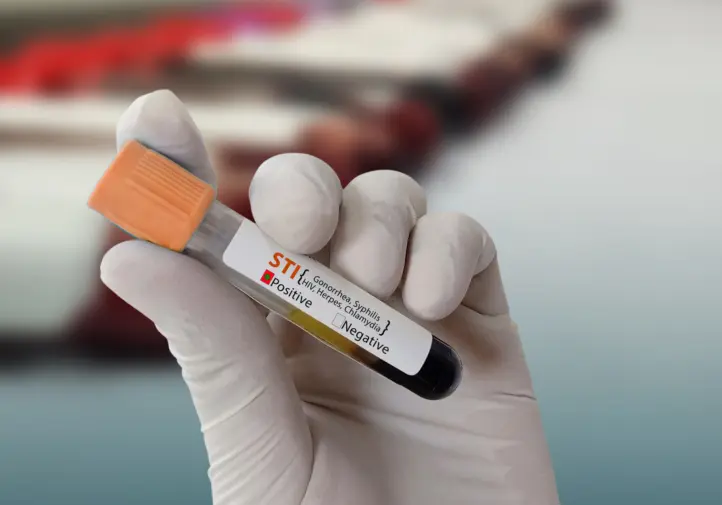
Why STI Testing Matters And How Often You Should Get Tested
Sexually transmitted infections, often referred to as STIs, are more common than many people realize. Millions of new cases are reported each year, and many individuals may not even know they are infected. This is because a large number of STIs do not cause noticeable symptoms right away, or at…
-

Urgent Care Center In Santa Fe, NM
When you or a loved one gets sick or injured unexpectedly it can be hard to know where to go for care. Many people wonder if they should head to the emergency room or wait for a primary care appointment. An urgent care center in Santa Fe, NM offers a…