
You twist your ankle on a trail near El Dorado or land wrong during a weekend soccer game in Santa Fe. The pain sets in, the swelling starts, and one question runs through your mind: is it a sprain or a fracture? This guide walks you through the signs of each injury, the simple checks you can do at home, and the clear warning signs that mean you should get seen right away.
Sprain or Fracture: How to Tell the Difference
A sprain and a fracture both hurt, both swell, and both make you want to stay off the injured area. The difference comes down to what you damaged. A sprain is an injury to the soft tissue, specifically the ligaments that connect bone to bone around a joint. A fracture is a crack or full break in the bone itself.
Sprains happen when a joint gets stretched or twisted past its normal range. Your ankle rolls, your wrist bends back during a fall, or your knee turns while your foot stays planted. Fractures happen when force is strong enough to damage the bone directly, often from a hard fall, a direct blow, or high-impact contact.
Both injuries share overlapping symptoms, which is why they are easy to confuse. Knowing what to look for helps you decide whether rest and ice will do the job or whether you need a professional exam and imaging.
What Are the Signs of a Sprain?
A sprain usually brings pain, swelling, and bruising around a joint. The area feels tender, and moving it hurts. Many people describe a wobbly or unstable feeling in the joint, especially with ankle and knee sprains.
With a mild sprain, you can often still put some weight on the injured area, even if it aches. Swelling tends to build gradually over a few hours. The pain stays centered around the soft tissue and the joint rather than over a single hard point on the bone.
Common sprain locations include the ankle, wrist, and knee. Ankle sprains are the most frequent, especially among people who run, hike, or play sports across Santa Fe, Pojoaque, and Pecos.
What Are the Signs of a Fracture?
A fracture tends to announce itself with sharp, severe, immediate pain. The pain often centers over a specific point on the bone, and pressing that spot produces intense tenderness. Swelling and bruising follow, sometimes quickly.
Watch for these signs that point toward a broken bone:
- You cannot bear any weight on the injured area
- The limb or joint looks misshapen, bent, or out of place
- You heard or felt a snap or crack at the moment of injury
- Numbness or tingling spreads below the injury
- The pain does not ease at all with rest and ice
A misshapen appearance and a total inability to use the limb are strong indicators of a fracture. If the bone looks deformed or breaks through the skin, treat it as an emergency and get help immediately.
How Can You Tell if It Is a Sprain or a Fracture?
Start with weight and pressure. Try to gently press along the bone near the injury. Sharp pain directly over the bone points toward a fracture, while pain spread across the joint and soft tissue points toward a sprain. Then test whether you can bear weight. If you cannot take even a few steps or put light pressure on the area without severe pain, a fracture becomes more likely.
Look at the shape of the injury. A joint that appears bent, twisted, or clearly out of alignment suggests a broken bone. A sprain swells and bruises but keeps its normal shape.
The truth is that no home check gives you a definite answer. The only reliable way to confirm a fracture is an X-ray. If your symptoms line up with the warning signs above, or if you simply are not sure, an exam settles the question fast.
Can a Hairline Fracture Feel Like a Sprain?
Yes. A hairline fracture, also called a stress fracture, can produce mild swelling and dull pain that feels a lot like a sprain. These small cracks in the bone often develop from repeated stress rather than a single injury, which is why runners and active people miss them.
Because a hairline fracture vs sprain can look nearly identical from the outside, pain that lingers for more than a few days or worsens with activity deserves a professional look. Ignoring a stress fracture can turn a small crack into a bigger break.
Is a Fracture Worse Than a Sprain?
Not always. A severe sprain that tears a ligament completely can take longer to heal and cause more long-term instability than a clean, minor fracture. The words “fracture” and “break” mean the same thing. A fracture is a break in the bone, so neither term is worse than the other.
What matters is severity and proper treatment. A mild ankle sprain heals in a week or two with rest, ice, compression, and elevation. A serious sprain or a fracture takes longer and often needs immobilization, follow-up care, and sometimes referral for further treatment.
How Do You Treat a Sprain at Home?
For a mild sprain, follow the RICE method. Rest the injured area and avoid putting weight on it. Ice the area for 15 to 20 minutes at a time during the first day or two. Apply compression with an elastic bandage to control swelling. Elevate the injury above heart level when you can.
Over-the-counter pain relievers help manage discomfort and swelling. Most mild sprains improve within a few days. If pain, swelling, or instability sticks around after a week, or if you never felt sure it was only a sprain, get it checked.
When Should You Seek Care in Santa Fe?
See a provider if you cannot bear weight, if the area looks deformed, if numbness sets in, if the pain is severe, or if symptoms fail to improve after a few days of home care. Any injury with a snap sound or visible bone needs immediate attention.
At Aspen Medical Center, our team treats acute injuries like sprains, fractures, and other urgent problems seven days a week. We serve patients across Santa Fe, Española, Pojoaque, Las Vegas NM, Pecos, and El Dorado, with walk-ins welcome and online check-in available. Our hours run Monday through Friday from 8AM to 9PM and Saturday and Sunday from 9AM to 9PM, so you can get seen without a long wait or an emergency room bill.
Frequently Asked Questions
What is the squeeze test for a foot fracture?
The squeeze test involves gently compressing the lower leg bones together above the injury site. If this produces pain near the ankle or foot, it can suggest a fracture and warrants an X-ray. Our providers use exams like this along with imaging to confirm the diagnosis.
Can you walk on a fracture?
Sometimes, yes, especially with a small or hairline fracture. Being able to walk does not rule out a broken bone, so do not use weight-bearing as your only test. If pain persists, get it examined.
How long does a sprain take to heal?
A mild sprain often heals in one to two weeks with rest and home care. Moderate to severe sprains can take several weeks or longer. If yours is not improving, an exam helps rule out a fracture.
Do I need an appointment for an acute injury?
No. Aspen Medical Center accepts walk-ins, and you can also use online check-in to reserve your spot ahead of time. Both options work for urgent injuries at our Santa Fe location.
Do not guess when it comes to your health. Whether you need urgent care for a fresh injury, primary care for ongoing concerns, or a quick X-ray to settle the sprain-or-fracture question, Aspen Medical Center is here for every age, from cradle to grave. Call us at 505-466-5885, walk in, or check in online today and let our compassionate team help you heal.
Related Content
-

Fall Allergy Symptoms and Treatment Options in Santa Fe
Fall allergies bring sneezing, congestion, itchy eyes, and coughing that can last for weeks. This post explains what causes fall allergy symptoms, how to find relief fast, and when to see a provider at Aspen Medical Center in Santa Fe and Española. You will learn practical treatment options and how…
-

Common Back-to-School Illnesses and Acute Care Santa Fe NM
Back-to-school season brings crowded classrooms, shared supplies, and a steady spread of germs. This post explains the most common illnesses children catch when school starts, how to recognize the warning signs, and when to seek acute care in Santa Fe, NM. You will also learn simple steps to keep your…
-
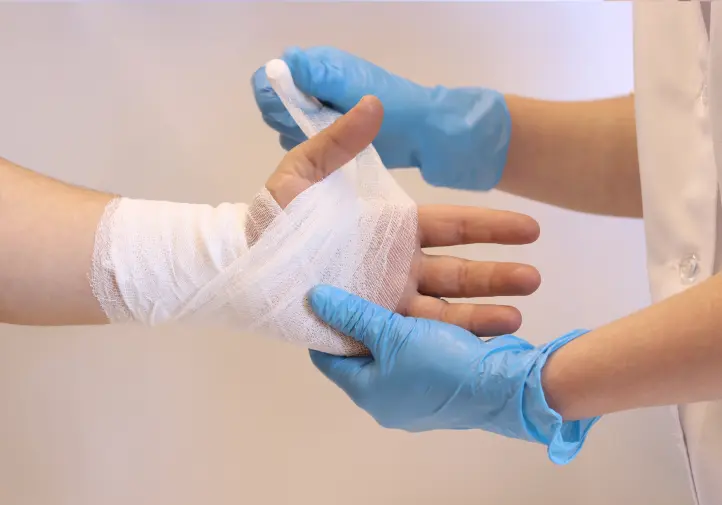
Telling the Difference Between A Sprain or Fracture
You twist your ankle on a trail near El Dorado or land wrong during a weekend soccer game in Santa Fe. The pain sets in, the swelling starts, and one question runs through your mind: is it a sprain or a fracture? This guide walks you through the signs of…
-

UTI Treatment & Prevention Tips For Santa Fe Resident
UTIs are one of the most common infections treated in urgent care settings, and they are also one of the most misunderstood. This article covers what causes UTIs, how to get relief fast, proven prevention strategies, and when to see a provider. Whether you are dealing with a current infection…
-
How Often Should I Get An STD Or STI Test?
Sexual health plays a major role in your overall well being. Many sexually transmitted diseases and infections do not show symptoms right away. Some people never notice symptoms at all. Regular testing helps you protect your health and the health of your partners. If you have asked yourself, “how often…
-
Urgent Care Awareness Month: What It Means For You
What Is Urgent Care Awareness Month? Urgent Care Awareness Month is a yearly event led by the Urgent Care Association. It runs through the month of May. Aspen Medical Center is a proud member of the Urgent Care Association, joining clinics nationwide in raising awareness about the role urgent care…
-

How Often Should I See My Primary Care Doctor?
If you’ve ever wondered how often should I see my primary care doctor?, you’re not alone. Many people only visit a doctor when something feels wrong, but preventive care plays a major role in maintaining long term health. The truth is, the ideal schedule depends on your age, medical history,…
-
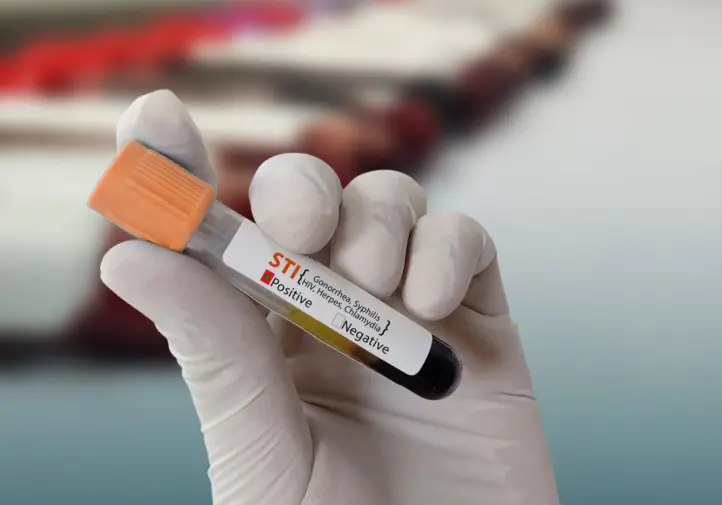
Why STI Testing Matters And How Often You Should Get Tested
Sexually transmitted infections, often referred to as STIs, are more common than many people realize. Millions of new cases are reported each year, and many individuals may not even know they are infected. This is because a large number of STIs do not cause noticeable symptoms right away, or at…
-

Urgent Care Center In Santa Fe, NM
When you or a loved one gets sick or injured unexpectedly it can be hard to know where to go for care. Many people wonder if they should head to the emergency room or wait for a primary care appointment. An urgent care center in Santa Fe, NM offers a…
-
Walk-In Clinic Santa Fe, NM: Same-Day Medical Help
When unexpected illness or injury strikes, waiting days or even weeks for an appointment is not an option. In Santa Fe, patients have a trusted solution that delivers care without delay. A walk in clinic offers same day medical attention for a wide range of health concerns. At Aspen Medical…