
Seniors with Multiple Chronic Conditions
As people age, more and more can experience Multiple Chronic Conditions (MCCs). While this can present a wide range of physical, mental, and financial challenges to older adults and their families, it can empower older adults to stay as independent as possible while managing to be healthy and active. By understanding the challenges facing those with MCCs, families and caregivers can better prepare themselves to provide optimal support.
From managing medical appointments to learning strategies to stay active and engaged in an active lifestyle, there are numerous ways to make living with MCC as manageable as possible.
1. Chronic Conditions: Difficulty Managing Medications
Seniors with MCCs often have difficulty remembering to take multiple prescriptions, recognize their side effects, and keep up with refills. Additionally, the financial burden of buying numerous medications can be overwhelming. Have strategies in place to help them stay on track and find cost-effective ways to obtain their medications.
2. Chronic Conditions: Inability to Access Treatments and Services
Older adults may experience difficulty accessing the necessary treatments and services due to difficulty traveling, lack of transportation, or financial barriers. It’s essential to help them find ways to get the care they need. This could involve looking for transportation assistance, discovering financial aid programs, or exploring options for virtual healthcare.
3. Chronic Conditions: Social Isolation
Due to physical limitations or difficulty getting out and about, seniors with MCCs may find it harder to connect with family and friends. To help them keep in touch and get involved, take advantage of virtual communication methods and arrange for rides to visit family and friends. Consider searching for local support groups that provide companionship and connection.
4. Chronic Conditions: Financial Burden
Seniors can experience monetary troubles due to limited funds. To help, investigate government programs like Medicare and Medicaid to find out if they can offer financial relief. Also, research the availability of utility assistance programs and financial counseling services to help pay bills. You may also look for programs to help seniors find employment or volunteer opportunities.
5. Chronic Conditions: Increased Risk of Falls and Injuries
Older adults with MCCs are more vulnerable to accidents and injuries due to physical restrictions. To protect them, make sure their environment is safe. Install handrails in hallways, bathrooms, and stairways. Additionally, maintain proper lighting throughout the house and ensure that carpets and rugs are securely fastened. It is also beneficial for seniors to have home safety assessments done periodically.
6. Chronic Conditions: Loss of Independence
As seniors age, they may experience a loss of independence. Help them stay active and engaged by providing them opportunities to learn new skills or try new activities. Encourage them to volunteer in their local community or join a senior center. You can also help them stay connected with friends and family by setting up video calls or virtual get-togethers.
Conclusion
Older adults with MCCs face many challenges. These include but are not limited to managing various medications, conflicting treatment recommendations, physical and emotional symptoms, financial and insurance issues, and keeping up with the demands of daily life. Furthermore, these seniors often have limited social support and experience a decreased quality of life.
Aspen Medical Center provides state-of-the-art primary care and urgent services to patients of any age. We take special precautions to ensure the health and safety of our patients at our urgent care center in Santa Fe, NM. Book an appointment now!
Related Content
-

Halloween Safety Tips for Santa Fe Families
Halloween brings costumes, candy, and crowded sidewalks across Santa Fe. This guide gives you practical safety tips for trick or treating, costume choices, and candy checks so your family stays protected. You will also learn when a minor bump needs urgent…
-

Fall Allergy Symptoms and Treatment Options in Santa Fe
Fall allergies bring sneezing, congestion, itchy eyes, and coughing that can last for weeks. This post explains what causes fall allergy symptoms, how to find relief fast, and when to see a provider at Aspen Medical Center in Santa Fe and…
-

Common Back-to-School Illnesses and Acute Care Santa Fe NM
Back-to-school season brings crowded classrooms, shared supplies, and a steady spread of germs. This post explains the most common illnesses children catch when school starts, how to recognize the warning signs, and when to seek acute care in Santa Fe, NM.…
-

Telling the Difference Between A Sprain or Fracture
You twist your ankle on a trail near El Dorado or land wrong during a weekend soccer game in Santa Fe. The pain sets in, the swelling starts, and one question runs through your mind: is it a sprain or a…
-

UTI Treatment & Prevention Tips For Santa Fe Resident
UTIs are one of the most common infections treated in urgent care settings, and they are also one of the most misunderstood. This article covers what causes UTIs, how to get relief fast, proven prevention strategies, and when to see a…
-

How Often Should I Get An STD Or STI Test?
Sexual health plays a major role in your overall well being. Many sexually transmitted diseases and infections do not show symptoms right away. Some people never notice symptoms at all. Regular testing helps you protect your health and the health of…
-

Urgent Care Awareness Month: What It Means For You
What Is Urgent Care Awareness Month? Urgent Care Awareness Month is a yearly event led by the Urgent Care Association. It runs through the month of May. Aspen Medical Center is a proud member of the Urgent Care Association, joining clinics nationwide in raising awareness about the role urgent care…
-

How Often Should I See My Primary Care Doctor?
If you’ve ever wondered how often should I see my primary care doctor?, you’re not alone. Many people only visit a doctor when something feels wrong, but preventive care plays a major role in maintaining long term health. The truth is, the ideal schedule depends on your age, medical history,…
-
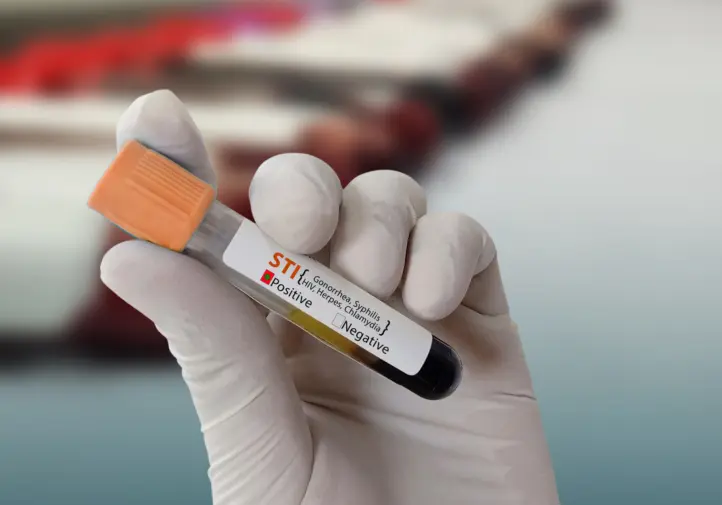
Why STI Testing Matters And How Often You Should Get Tested
Sexually transmitted infections, often referred to as STIs, are more common than many people realize. Millions of new cases are reported each year, and many individuals may not even know they are infected. This is because a large number of STIs do not cause noticeable symptoms right away, or at…
-

Urgent Care Center In Santa Fe, NM
When you or a loved one gets sick or injured unexpectedly it can be hard to know where to go for care. Many people wonder if they should head to the emergency room or wait for a primary care appointment. An urgent care center in Santa Fe, NM offers a…