
Sexual health plays a major role in your overall well being. Many sexually transmitted diseases and infections do not show symptoms right away. Some people never notice symptoms at all. Regular testing helps you protect your health and the health of your partners.
If you have asked yourself, “how often should I get an STD or STI test,” you are not alone. The answer depends on your age, sexual activity, relationship status, and personal risk factors. Knowing when to schedule testing helps you catch infections early and start treatment quickly.
At Aspen Medical Center, patients receive confidential STD and STI testing in a professional and supportive setting. Understanding your testing schedule gives you more control over your health decisions.
How Often Should I Get An STD Or STI Test?
The right testing schedule depends on your lifestyle and risk level. According to the Centers for Disease Control and Prevention, sexually active adults benefit from routine testing, especially when they have new or multiple partners.
Most sexually active women under age 25 should receive yearly testing for chlamydia and gonorrhea. Adults over 25 with new partners or multiple partners should also receive regular screening.
Men who have sex with men often need testing every three to six months if they have higher exposure risk. Pregnant women also need STI testing during pregnancy to protect both mother and baby.
You should also schedule testing after unprotected sex, after learning a partner tested positive, or when symptoms appear. Symptoms often include burning during urination, unusual discharge, sores, itching, or pelvic pain.
Even without symptoms, infections such as chlamydia, gonorrhea, and HIV spread through sexual contact. Regular screening lowers the risk of long term complications and transmission.
Why Regular STD And STI Testing Matters
Many sexually transmitted infections stay silent for months or years. During that time, they still damage your body and spread to others.
Untreated infections lead to serious complications. Chlamydia and gonorrhea increase the risk of infertility in women. Syphilis damages organs when left untreated. HIV weakens the immune system over time. Early detection makes treatment easier and reduces long term health risks.
Routine testing also removes uncertainty. Many people avoid testing because they feel nervous or embarrassed. In reality, testing serves as a normal part of preventive healthcare.
Getting tested shows responsibility toward yourself and your partners. A simple appointment gives you clear answers and peace of mind.
Who Needs More Frequent STI Testing?
Some people need more frequent testing because their exposure risk increases. Your healthcare provider looks at your medical history, relationship patterns, and sexual activity when recommending a testing schedule.
You may need more frequent screening if you:
Have Multiple Sexual Partners
More partners increase exposure risk. If you regularly have new partners, testing every three to six months often makes sense.
Have Unprotected Sex
Condoms lower the risk of many infections. Without protection, infections spread more easily through vaginal, oral, and anal sex.
Have A Partner With An STI
If your partner tests positive, you should schedule testing right away. Many infections spread before symptoms appear.
Are Pregnant
Pregnancy screening protects both mother and baby. Providers often test for HIV, syphilis, hepatitis, gonorrhea, and chlamydia during prenatal visits.
Use Injectable Drugs
Sharing needles raises the risk of HIV and hepatitis infections. Routine testing supports early diagnosis and treatment.
What Happens During STD Or STI Testing?
Many people avoid testing because they expect the process to feel uncomfortable or complicated. Most appointments stay quick and simple.
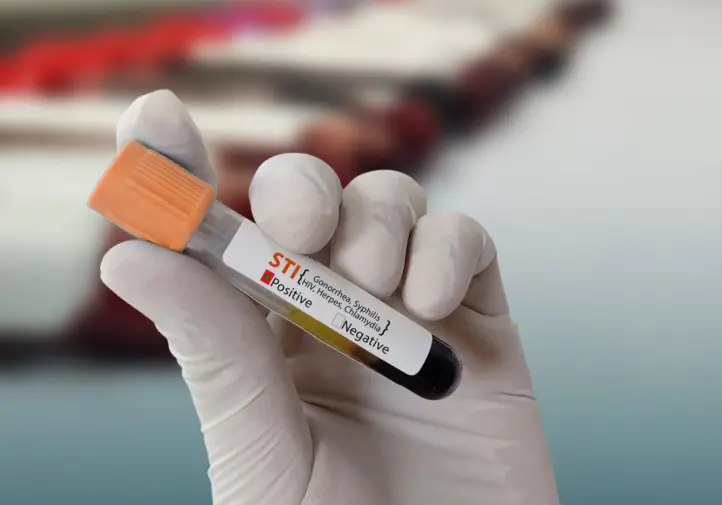
Testing often includes urine samples, blood work, or swabs depending on the infection being checked. Your provider asks questions about symptoms, partners, and sexual history to determine which tests fit your situation best.
Some results arrive within minutes. Others take a few days. If a test returns positive, treatment often begins immediately.
Confidentiality also matters. Healthcare providers protect your privacy throughout the process.
Signs You Should Schedule Testing Soon
Routine screening matters, though some symptoms require immediate attention. Contact a healthcare provider if you notice:
Unusual discharge, pain during urination, sores, rashes, itching, pelvic pain, swollen lymph nodes, or pain during sex.
Even mild symptoms deserve attention. Some infections appear minor at first before becoming more serious.
You should also schedule testing after any unprotected sexual encounter if you feel uncertain about exposure.
How To Protect Yourself Between STI Tests
Testing helps identify infections, though prevention stays equally important. Safer habits reduce your risk between appointments.
Using condoms consistently lowers exposure risk. Honest communication with partners also supports better sexual health decisions. Many providers recommend limiting the number of sexual partners and avoiding sexual contact when symptoms appear.
Vaccinations also help prevent infections like HPV and hepatitis B. Routine wellness visits give you the opportunity to discuss prevention strategies with your healthcare provider.
Regular testing combined with safer practices creates a strong approach to sexual health.
Where To Get Confidential STD And STI Testing
Choosing a trusted healthcare provider makes testing easier and less stressful. Aspen Medical Center offers confidential STD and STI testing in a professional environment focused on patient comfort and privacy.
The medical team provides screening, diagnosis, treatment, and guidance based on your personal health needs. Whether you need routine screening or testing after possible exposure, Aspen Medical Center delivers prompt care with compassion and discretion.
If you have been wondering, “how often should I get an STD or STI test,” now is the right time to take action. Visit Aspen Medical Center at https://aspenmedicalcenter.com/ to schedule confidential testing and receive quality healthcare services designed to protect your long term health.
Related Content
-

Fall Allergy Symptoms and Treatment Options in Santa Fe
Fall allergies bring sneezing, congestion, itchy eyes, and coughing that can last for weeks. This post explains what causes fall allergy symptoms, how to find relief fast, and when to see a provider at Aspen Medical Center in Santa Fe and Española. You will learn practical treatment options and how…
-

Common Back-to-School Illnesses and Acute Care Santa Fe NM
Back-to-school season brings crowded classrooms, shared supplies, and a steady spread of germs. This post explains the most common illnesses children catch when school starts, how to recognize the warning signs, and when to seek acute care in Santa Fe, NM. You will also learn simple steps to keep your…
-

Telling the Difference Between A Sprain or Fracture
You twist your ankle on a trail near El Dorado or land wrong during a weekend soccer game in Santa Fe. The pain sets in, the swelling starts, and one question runs through your mind: is it a sprain or a fracture? This guide walks you through the signs of…
-

UTI Treatment & Prevention Tips For Santa Fe Resident
UTIs are one of the most common infections treated in urgent care settings, and they are also one of the most misunderstood. This article covers what causes UTIs, how to get relief fast, proven prevention strategies, and when to see a provider. Whether you are dealing with a current infection…
-

How Often Should I Get An STD Or STI Test?
Sexual health plays a major role in your overall well being. Many sexually transmitted diseases and infections do not show symptoms right away. Some people never notice symptoms at all. Regular testing helps you protect your health and the health of your partners. If you have asked yourself, “how often…
-

Urgent Care Awareness Month: What It Means For You
What Is Urgent Care Awareness Month? Urgent Care Awareness Month is a yearly event led by the Urgent Care Association. It runs through the month of May. Aspen Medical Center is a proud member of the Urgent Care Association, joining clinics nationwide in raising awareness about the role urgent care…
-

How Often Should I See My Primary Care Doctor?
If you’ve ever wondered how often should I see my primary care doctor?, you’re not alone. Many people only visit a doctor when something feels wrong, but preventive care plays a major role in maintaining long term health. The truth is, the ideal schedule depends on your age, medical history,…
-
Why STI Testing Matters And How Often You Should Get Tested
Sexually transmitted infections, often referred to as STIs, are more common than many people realize. Millions of new cases are reported each year, and many individuals may not even know they are infected. This is because a large number of STIs do not cause noticeable symptoms right away, or at…
-

Urgent Care Center In Santa Fe, NM
When you or a loved one gets sick or injured unexpectedly it can be hard to know where to go for care. Many people wonder if they should head to the emergency room or wait for a primary care appointment. An urgent care center in Santa Fe, NM offers a…
-
Walk-In Clinic Santa Fe, NM: Same-Day Medical Help
When unexpected illness or injury strikes, waiting days or even weeks for an appointment is not an option. In Santa Fe, patients have a trusted solution that delivers care without delay. A walk in clinic offers same day medical attention for a wide range of health concerns. At Aspen Medical…