
Staying hydrated is crucial for maintaining overall health and well-being. But sometimes, we tend to overlook the importance of drinking enough water, especially during busy days or when we are caught up in our daily routines.
Dehydration occurs when our bodies lose more fluids than we consume, leading to an imbalance in our body’s electrolytes. In this blog post, we will explore the signs and symptoms of dehydration in adults and why it is essential to address this issue promptly.
Dehydration Explained
Many people believe dehydration only happens when noticeable symptoms such as headaches, fainting, or extreme thirst appear. However, particularly in adults, dehydration can occur without these obvious signs.
Research indicates that around 75% of adults are chronically dehydrated, typically consuming only 2-3 cups of water daily, much less than the recommended intake. Dehydration is a state where the body loses more fluids than it absorbs, which can result from sweating, vomiting, or simply not drinking enough.
Dehydration can range from mild to severe, and the severity of the symptoms reflects this. While mild dehydration is usually not a major concern, moderate to severe dehydration can be potentially fatal and would need help from an urgent care center.
Recognizing the Thirst Quenchers
1. Dry Mouth and Increased Thirst
One of the most common signs of dehydration in adults is a dry mouth and an unquenchable thirst. When you’re dehydrated, your saliva production decreases, causing your mouth to feel parched.
Your body’s natural response to this is to signal you to drink more fluids. Ignoring this signal can worsen dehydration, so it’s important to pay attention to your thirst and act accordingly.
2. Dark-Colored Urine
Monitoring the color of your urine can provide valuable insights into your hydration levels. When you are adequately hydrated, your urine should be a pale yellow color.
But if you notice that your urine is dark-colored, it is a clear indication that you need to drink more water. Dark urine is a sign that your body is conserving water and may be at risk of dehydration.
3. Fatigue and Lethargy
Dehydration can leave you feeling exhausted and drained. When your body lacks sufficient fluids, it struggles to carry out essential functions efficiently.
As a result, you may experience fatigue, lack of energy, and reduced motivation. These symptoms can significantly impact your productivity and overall well-being, so it’s crucial to address them promptly.
4. Dizziness and Headaches
Another common sign of dehydration is dizziness and headaches. When you’re dehydrated, your blood volume decreases, leading to reduced oxygen flow to your brain.
This lack of oxygen can result in dizziness and headaches. If you frequently experience these symptoms, it might be a sign that you need to increase your water intake.
5. Dry Skin and Lips
Dehydration can also affect the appearance and condition of your skin. When your body lacks sufficient water, your skin may become dry, rough, and less elastic.
You may also notice chapped lips and an overall dull complexion. It’s important to note that simply applying moisturizers won’t solve the issue. Instead, addressing the root cause by hydrating from within is crucial for healthy skin.
Don’t Wait Until You Need to Go to an Urgent Care Center
Observing the signs of dehydration in adults is crucial to prevent serious health complications. You can ensure your well-being by understanding the basics of dehydration, identifying the early warning signs, and seeking prompt medical help from an urgent care center.
Remember, staying hydrated is not just a matter of quenching your thirst; it’s a vital component of maintaining good overall health.
Don’t wait until it’s too late to prioritize your health! If you’re looking for a medical center that offers top-notch primary care and urgent care services, look no further than Aspen Medical Center. As a locally owned walk-in clinic in Santa Fe, NM, we prioritize the health and well-being of our community.
Our cutting-edge healthcare center is equipped with highly skilled medical professionals committed to delivering empathetic, tailored care to all our patients. Whether it’s regular health check-ups, preventive care, or immediate medical assistance you require, we possess the knowledge and facilities necessary to support you in reaching your health objectives. Schedule an appointment with us today.
Related Content
-
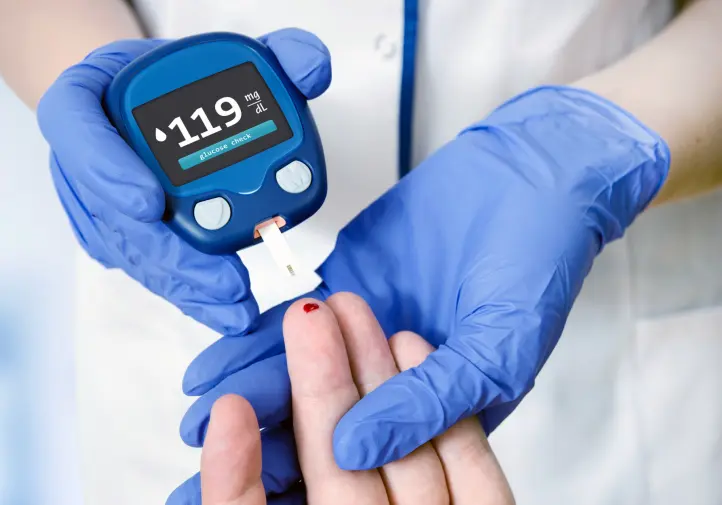
Diabetes Screening in Santa Fe: When to Check Your A1C
Diabetes screening in Santa Fe starts with one simple blood test: the A1C. This article explains what your A1C number means, when to get tested, how often to recheck, and what your results tell you about your risk. You will also…
-

Halloween Safety Tips for Santa Fe Families
Halloween brings costumes, candy, and crowded sidewalks across Santa Fe. This guide gives you practical safety tips for trick or treating, costume choices, and candy checks so your family stays protected. You will also learn when a minor bump needs urgent…
-

Fall Allergy Symptoms and Treatment Options in Santa Fe
Fall allergies bring sneezing, congestion, itchy eyes, and coughing that can last for weeks. This post explains what causes fall allergy symptoms, how to find relief fast, and when to see a provider at Aspen Medical Center in Santa Fe and…
-

Common Back-to-School Illnesses and Acute Care Santa Fe NM
Back-to-school season brings crowded classrooms, shared supplies, and a steady spread of germs. This post explains the most common illnesses children catch when school starts, how to recognize the warning signs, and when to seek acute care in Santa Fe, NM.…
-

Telling the Difference Between A Sprain or Fracture
You twist your ankle on a trail near El Dorado or land wrong during a weekend soccer game in Santa Fe. The pain sets in, the swelling starts, and one question runs through your mind: is it a sprain or a…
-

UTI Treatment & Prevention Tips For Santa Fe Resident
UTIs are one of the most common infections treated in urgent care settings, and they are also one of the most misunderstood. This article covers what causes UTIs, how to get relief fast, proven prevention strategies, and when to see a…
-

How Often Should I Get An STD Or STI Test?
Sexual health plays a major role in your overall well being. Many sexually transmitted diseases and infections do not show symptoms right away. Some people never notice symptoms at all. Regular testing helps you protect your health and the health of…
-

Urgent Care Awareness Month: What It Means For You
What Is Urgent Care Awareness Month? Urgent Care Awareness Month is a yearly event led by the Urgent Care Association. It runs through the month of May. Aspen Medical Center is a proud member of the Urgent Care Association, joining clinics…
-

How Often Should I See My Primary Care Doctor?
If you’ve ever wondered how often should I see my primary care doctor?, you’re not alone. Many people only visit a doctor when something feels wrong, but preventive care plays a major role in maintaining long term health. The truth is,…
-
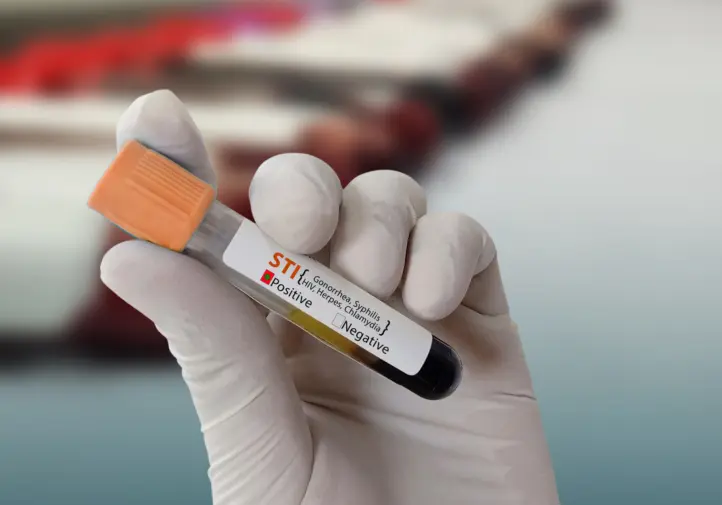
Why STI Testing Matters And How Often You Should Get Tested
Sexually transmitted infections, often referred to as STIs, are more common than many people realize. Millions of new cases are reported each year, and many individuals may not even know they are infected. This is because a large number of STIs do not cause noticeable symptoms right away, or at all. Without testing, infections can…