
When faced with a sudden illness or injury, receiving prompt and efficient medical care is essential. At Aspen Medical Center, our urgent care services are designed to provide high-quality and accessible treatment for unexpected health concerns that require immediate attention. With our state-of-the-art outpatient facilities in Santa Fe and Espanola, NM, patients can expect skilled, patient-focused care that addresses their needs in a timely manner.
Navigating the urgent care process can be overwhelming, particularly when dealing with the stress of an unexpected medical issue. That’s why it’s essential to understand how urgent care works and how to make the most of your visit. This comprehensive guide aims to simplify the urgent care process and provide you with practical tips for ensuring a smooth experience at Aspen Medical Center. By familiarizing yourself with our range of services, knowing what to bring, and understanding what to expect upon arrival, you’ll feel more prepared and confident in managing urgent health concerns.
Aspen Medical Center is committed to providing exceptional urgent care services to our community. Through timely and convenient access to healthcare, we aim to improve patients’ health and well-being while reducing the burden on emergency rooms. Whether you have a minor injury, an infection, or another health concern requiring quick attention, trust Aspen Medical Center’s urgent care services to address your needs efficiently and effectively, helping you return to your regular activities as soon as possible.
Identifying When to Seek Urgent Care Services
The first step in navigating the urgent care process is knowing when to visit an urgent care center. Urgent care facilities like Aspen Medical Center are intended to treat non-life-threatening medical issues that require immediate attention. Some common examples of situations requiring urgent care include:
- Minor injuries: Sprains, strains, fractures, and cuts that require stitches can be effectively treated at an urgent care center.
- Infections: Urinary tract infections, upper respiratory tract infections, and skin infections are all examples of conditions that can be diagnosed and treated during an urgent care visit.
- Illnesses: Sudden onset of fever, flu-like symptoms, dehydration, or persistent vomiting may need urgent medical evaluation and treatment.
- Diagnostic services: Rapid testing for COVID-19, strep throat, or other lab tests can often be performed at urgent care facilities.
It’s important to remember that urgent care is not a replacement for emergency care. In cases of severe or life-threatening concerns, such as chest pain, difficulty breathing, or major traumas, always seek immediate care at an emergency room or call 911.
Preparing for Your Urgent Care Visit
To ensure a smooth and efficient visit to Aspen Medical Center’s urgent care, take the following steps to prepare:
- Bring essential identification: Always carry a valid form of identification, such as a driver’s license or passport.
- Carry your insurance information: Don’t forget to bring your insurance card, which will be required for billing purposes and to verify coverage.
- Be prepared with medical history: Providing your medical history, especially details regarding any ongoing health conditions, allergies, and current medications, is vital for ensuring accurate diagnosis and treatment.
- Consider calling ahead: While walk-ins are welcome at Aspen Medical Center’s urgent care, calling ahead can help confirm the availability of necessary services and potentially shorten your wait time.
What to Expect during Your Visit
Understanding what to expect during your urgent care visit can help alleviate anxiety and promote a more efficient experience. Here’s a general overview of what you may encounter during your visit to Aspen Medical Center’s urgent care:
- Check-in: Upon arrival, you’ll be asked to provide identification, insurance information, and fill out any necessary paperwork.
- Triage: A medical professional will quickly assess your condition to determine its urgency and the type of care you’ll need.
- Examination and treatment: You’ll be seen by one of our skilled healthcare providers, who will assess your symptoms, conduct necessary tests, and provide a course of treatment.
- Follow-up care and instruction: Before leaving, you’ll receive instructions on how to care for yourself at home and any necessary prescriptions or recommendations for further care.
- Billing: After your visit, Aspen Medical Center will bill your insurance company for the services provided. If you have any questions or concerns about billing, it’s best to address them with our staff at the time of your visit.
Maximizing the Benefits of Urgent Care
To ensure the best possible outcome from your urgent care visit, consider the following tips:
- Maintain open communication: Clearly communicate your symptoms with the healthcare provider and ask questions when needed, ensuring you fully understand your diagnosis and treatment plan.
- Adhere to instructions: Follow the healthcare provider’s instructions for at-home care, medication usage, and any recommended follow-up visits.
- Coordinate with your primary care provider: Ensure that your primary care provider is kept informed about your urgent care visit to maintain continuity of care and receive any necessary additional support.
- Prioritize preventative care: To reduce the need for future urgent care visits, prioritize regular check-ups and screenings with your primary care provider to catch potential issues early and work towards maintaining optimal health.
Conclusion:
Navigating the urgent care process at Aspen Medical Center doesn’t have to be overwhelming. By understanding when to seek urgent care services, preparing for your visit, and knowing what to expect during your appointment, you can have a smoother, more efficient experience. Aspen Medical Center is committed to providing exceptional urgent care services for our community, offering timely and effective care for non-life-threatening medical concerns. Trust our team of skilled healthcare providers to address your urgent health needs and get you back on the path to wellness.
Related Content
-
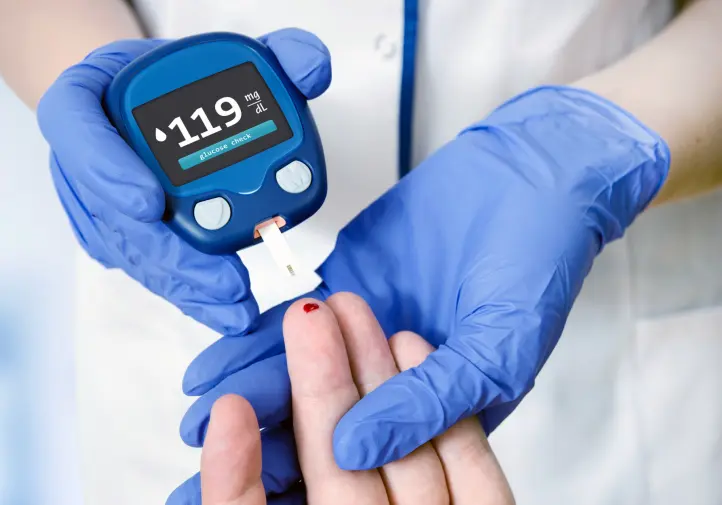
Diabetes Screening in Santa Fe: When to Check Your A1C
Diabetes screening in Santa Fe starts with one simple blood test: the A1C. This article explains what your A1C number means, when to get tested, how often to recheck, and what your results tell you about your risk. You will also…
-

Halloween Safety Tips for Santa Fe Families
Halloween brings costumes, candy, and crowded sidewalks across Santa Fe. This guide gives you practical safety tips for trick or treating, costume choices, and candy checks so your family stays protected. You will also learn when a minor bump needs urgent…
-

Fall Allergy Symptoms and Treatment Options in Santa Fe
Fall allergies bring sneezing, congestion, itchy eyes, and coughing that can last for weeks. This post explains what causes fall allergy symptoms, how to find relief fast, and when to see a provider at Aspen Medical Center in Santa Fe and…
-

Common Back-to-School Illnesses and Acute Care Santa Fe NM
Back-to-school season brings crowded classrooms, shared supplies, and a steady spread of germs. This post explains the most common illnesses children catch when school starts, how to recognize the warning signs, and when to seek acute care in Santa Fe, NM.…
-

Telling the Difference Between A Sprain or Fracture
You twist your ankle on a trail near El Dorado or land wrong during a weekend soccer game in Santa Fe. The pain sets in, the swelling starts, and one question runs through your mind: is it a sprain or a…
-

UTI Treatment & Prevention Tips For Santa Fe Resident
UTIs are one of the most common infections treated in urgent care settings, and they are also one of the most misunderstood. This article covers what causes UTIs, how to get relief fast, proven prevention strategies, and when to see a…
-

How Often Should I Get An STD Or STI Test?
Sexual health plays a major role in your overall well being. Many sexually transmitted diseases and infections do not show symptoms right away. Some people never notice symptoms at all. Regular testing helps you protect your health and the health of…
-

Urgent Care Awareness Month: What It Means For You
What Is Urgent Care Awareness Month? Urgent Care Awareness Month is a yearly event led by the Urgent Care Association. It runs through the month of May. Aspen Medical Center is a proud member of the Urgent Care Association, joining clinics…
-

How Often Should I See My Primary Care Doctor?
If you’ve ever wondered how often should I see my primary care doctor?, you’re not alone. Many people only visit a doctor when something feels wrong, but preventive care plays a major role in maintaining long term health. The truth is,…
-
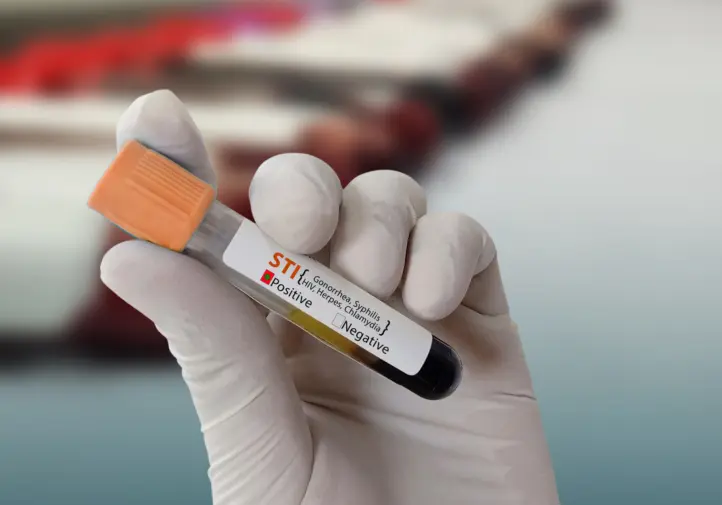
Why STI Testing Matters And How Often You Should Get Tested
Sexually transmitted infections, often referred to as STIs, are more common than many people realize. Millions of new cases are reported each year, and many individuals may not even know they are infected. This is because a large number of STIs do not cause noticeable symptoms right away, or at…