
Dermoscopy is performed with a handheld instrument called a dermatoscope. It is a noninvasive powerful tool used in the screening and detection of skin cancer.
Dermoscopy is mainly used to evaluate pigmented lesions in order to distinguish malignant skin lesions. These lesions can be melanoma, pigmented BCC from benign melanocytic naevi, and seborrheic keratosis.
Several studies have demonstrated that dermoscopy is useful in the identification of melanoma when used by experts. It may be up to 35% more accurate than clinical diagnosis. In addition, it may reduce the number of benign lesions excised.
Dermoscopy has also been proven beneficial in diagnosing and managing a myriad of other skin disorders ranging from inflammatory conditions, hair diseases, to infestations.
At Aspen Medical Center we perform full skin cancer screening exams. We are committed to detecting skin cancer at the earliest possible stage while avoiding unnecessary biopsies.
Our dermoscopy specialist, Gina Ortiz, PAC, MPAS, attended the American Dermoscopy Meeting in Big Sky, Montana during 2018. In addition to further training at the UNM Skin Cancer Center.
Gina will continue to refine her skills by attending the American Dermoscopy meeting this July in Colorado Springs.
Related Content
-
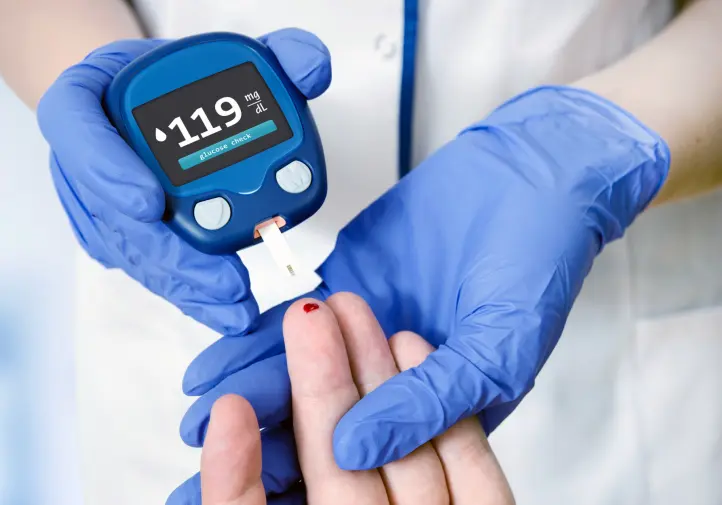
Diabetes Screening in Santa Fe: When to Check Your A1C
Diabetes screening in Santa Fe starts with one simple blood test: the A1C. This article explains what your A1C number means, when to get tested, how often to recheck, and what your results tell you about your risk. You will also…
-

Halloween Safety Tips for Santa Fe Families
Halloween brings costumes, candy, and crowded sidewalks across Santa Fe. This guide gives you practical safety tips for trick or treating, costume choices, and candy checks so your family stays protected. You will also learn when a minor bump needs urgent…
-

Fall Allergy Symptoms and Treatment Options in Santa Fe
Fall allergies bring sneezing, congestion, itchy eyes, and coughing that can last for weeks. This post explains what causes fall allergy symptoms, how to find relief fast, and when to see a provider at Aspen Medical Center in Santa Fe and…
-

Common Back-to-School Illnesses and Acute Care Santa Fe NM
Back-to-school season brings crowded classrooms, shared supplies, and a steady spread of germs. This post explains the most common illnesses children catch when school starts, how to recognize the warning signs, and when to seek acute care in Santa Fe, NM.…
-
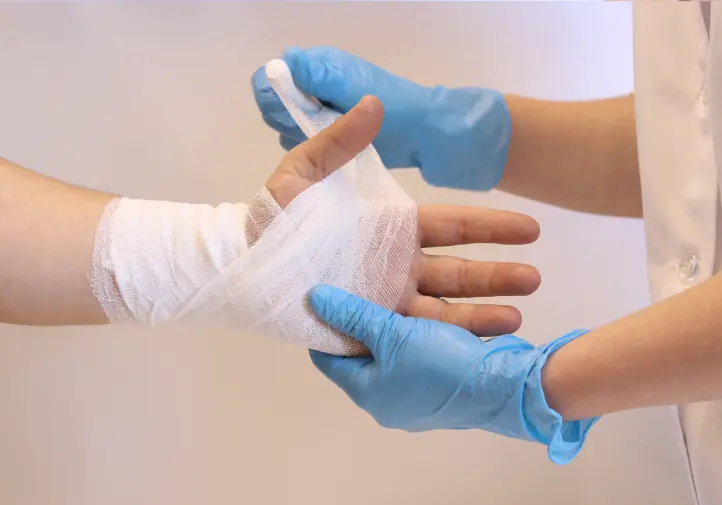
Telling the Difference Between A Sprain or Fracture
You twist your ankle on a trail near El Dorado or land wrong during a weekend soccer game in Santa Fe. The pain sets in, the swelling starts, and one question runs through your mind: is it a sprain or a…
-

UTI Treatment & Prevention Tips For Santa Fe Resident
UTIs are one of the most common infections treated in urgent care settings, and they are also one of the most misunderstood. This article covers what causes UTIs, how to get relief fast, proven prevention strategies, and when to see a…
-
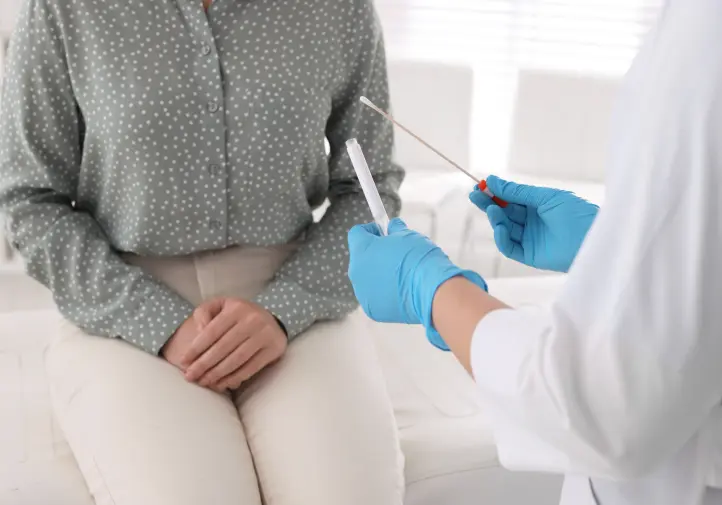
How Often Should I Get An STD Or STI Test?
Sexual health plays a major role in your overall well being. Many sexually transmitted diseases and infections do not show symptoms right away. Some people never notice symptoms at all. Regular testing helps you protect your health and the health of…
-

Urgent Care Awareness Month: What It Means For You
What Is Urgent Care Awareness Month? Urgent Care Awareness Month is a yearly event led by the Urgent Care Association. It runs through the month of May. Aspen Medical Center is a proud member of the Urgent Care Association, joining clinics…
-

How Often Should I See My Primary Care Doctor?
If you’ve ever wondered how often should I see my primary care doctor?, you’re not alone. Many people only visit a doctor when something feels wrong, but preventive care plays a major role in maintaining long term health. The truth is,…
-
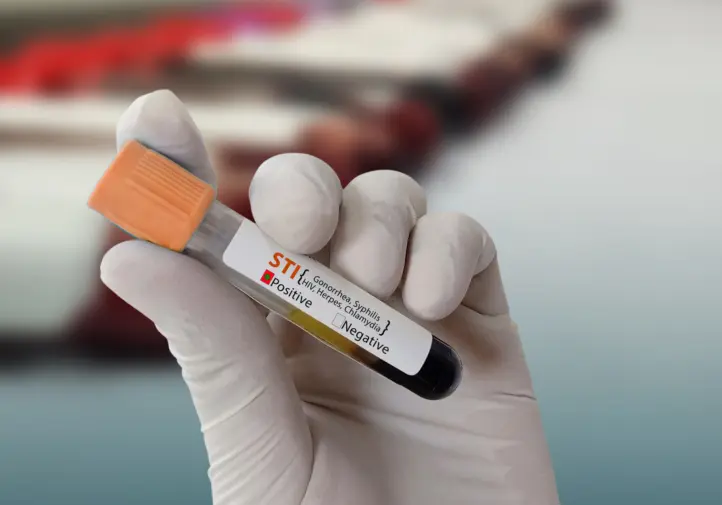
Why STI Testing Matters And How Often You Should Get Tested
Sexually transmitted infections, often referred to as STIs, are more common than many people realize. Millions of new cases are reported each year, and many individuals may not even know they are infected. This is because a large number of STIs do not cause noticeable symptoms right away, or at all. Without testing, infections can…