
One of the most critical indications that need to be constantly checked is blood pressure. Hypertension, often known as high blood pressure, increases the danger of kidney failure, heart attack, and stroke.
Approximately one in three persons in the United States has hypertension, and only about fifty percent of those individuals are thought to be able to keep their blood pressure under control.
Primary care doctors play a critical role in managing blood pressure in their patients, and this article will discuss their role in more detail.
The Importance of Blood Pressure Management
Managing blood pressure is critical to preventing the complications of hypertension. Blood vessels and organs can be harmed by high blood pressure over time, leading to heart disease, stroke, and kidney failure.
Blood pressure management involves regular monitoring of blood pressure, lifestyle changes, and medication if necessary. Primary care doctors are responsible for monitoring blood pressure levels in their patients and making appropriate recommendations for treatment.
Regular Monitoring
Primary care doctors are responsible for regular monitoring of their patient’s blood pressure. This includes taking blood pressure readings during routine office visits and following up with patients who have high blood pressure.
Blood pressure readings are usually taken with a sphygmomanometer, a device that measures the pressure of blood in the arteries. Blood pressure readings are expressed as two numbers, systolic and diastolic, and are measured in millimeters of mercury (mmHg).
Lifestyle Changes
Primary care physician play a critical role in recommending lifestyle changes to help manage blood pressure. This includes recommending a healthy diet, regular exercise, and stress reduction techniques.
Fruits, vegetables, whole grains, and lean protein should be part of a healthy diet. Patients should also limit their intake of sodium, alcohol, and caffeine.
Regular exercise and stress-reduction practices like yoga and meditation can also help decrease blood pressure.
Medication
Primary care physician can also prescribe medication to help manage blood pressure. Numerous classes of medications are available for the treatment of hypertension, including diuretics, beta-blockers, ACE inhibitors, and calcium channel blockers.
The selection of medication is influenced by a number of factors, including the patient’s age, overall health, and other medical conditions. Primary care doctors are responsible for monitoring their patient’s response to medication and adjusting dosages if necessary.
The Role of Technology
Technology can play a critical role in blood pressure management. There are several devices available that can help patients monitor their blood pressure at home. These devices include digital blood pressure monitors and smartphone apps.
Primary care physician can recommend these devices to their patients and use the data to adjust treatment plans as necessary. Technology can also help improve patient engagement and adherence to treatment plans.
Challenges in Blood Pressure Management
While primary care physicians play a vital role in managing blood pressure, there are several challenges that they may face. One of the significant challenges is patient adherence to treatment plans.
Patients may find it challenging to make lifestyle changes or take medication regularly, which can lead to poor blood pressure control. Primary care doctors need to work with their patients to understand the barriers to adherence and develop strategies to overcome them.
Another challenge is the complexity of hypertension management. Blood pressure control is affected by several factors, including genetics, lifestyle, and medical conditions.
Primary care doctors need to consider these factors when making treatment decisions and adjust treatment plans as necessary. It is also essential for primary care doctors to stay up-to-date with the latest guidelines and treatment options for hypertension management.
Conclusion
It is essential for patients to prioritize regular visits with their primary care doctor and follow their recommendations to manage their blood pressure effectively. By working together, patients and primary care doctors can ensure optimal blood pressure control and reduce the risk of serious health complications.
Your primary care physician at Aspen Medical Center can take care of your blood pressure and other physicals in Santa Fe, NM. To give the best service to our patients, we offer state-of-the-art primary care and urgent care services. Book your consultation today!
Related Content
-

Halloween Safety Tips for Santa Fe Families
Halloween brings costumes, candy, and crowded sidewalks across Santa Fe. This guide gives you practical safety tips for trick or treating, costume choices, and candy checks so your family stays protected. You will also learn when a minor bump needs urgent…
-

Fall Allergy Symptoms and Treatment Options in Santa Fe
Fall allergies bring sneezing, congestion, itchy eyes, and coughing that can last for weeks. This post explains what causes fall allergy symptoms, how to find relief fast, and when to see a provider at Aspen Medical Center in Santa Fe and…
-

Common Back-to-School Illnesses and Acute Care Santa Fe NM
Back-to-school season brings crowded classrooms, shared supplies, and a steady spread of germs. This post explains the most common illnesses children catch when school starts, how to recognize the warning signs, and when to seek acute care in Santa Fe, NM.…
-

Telling the Difference Between A Sprain or Fracture
You twist your ankle on a trail near El Dorado or land wrong during a weekend soccer game in Santa Fe. The pain sets in, the swelling starts, and one question runs through your mind: is it a sprain or a…
-

UTI Treatment & Prevention Tips For Santa Fe Resident
UTIs are one of the most common infections treated in urgent care settings, and they are also one of the most misunderstood. This article covers what causes UTIs, how to get relief fast, proven prevention strategies, and when to see a…
-

How Often Should I Get An STD Or STI Test?
Sexual health plays a major role in your overall well being. Many sexually transmitted diseases and infections do not show symptoms right away. Some people never notice symptoms at all. Regular testing helps you protect your health and the health of…
-

Urgent Care Awareness Month: What It Means For You
What Is Urgent Care Awareness Month? Urgent Care Awareness Month is a yearly event led by the Urgent Care Association. It runs through the month of May. Aspen Medical Center is a proud member of the Urgent Care Association, joining clinics nationwide in raising awareness about the role urgent care…
-

How Often Should I See My Primary Care Doctor?
If you’ve ever wondered how often should I see my primary care doctor?, you’re not alone. Many people only visit a doctor when something feels wrong, but preventive care plays a major role in maintaining long term health. The truth is, the ideal schedule depends on your age, medical history,…
-
Why STI Testing Matters And How Often You Should Get Tested
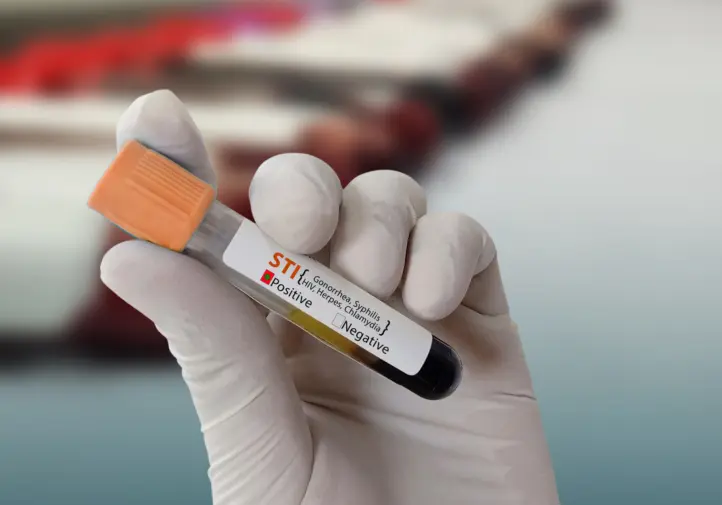
Sexually transmitted infections, often referred to as STIs, are more common than many people realize. Millions of new cases are reported each year, and many individuals may not even know they are infected. This is because a large number of STIs do not cause noticeable symptoms right away, or at…
-

Urgent Care Center In Santa Fe, NM
When you or a loved one gets sick or injured unexpectedly it can be hard to know where to go for care. Many people wonder if they should head to the emergency room or wait for a primary care appointment. An urgent care center in Santa Fe, NM offers a…